Dedicated Mice Control & Prevention
Introduction & Benefits
Mice can contaminate food, damage property, and spread disease. We tailor our approach to your specific situation, combining bait stations, traps, and exclusion methods to keep mice away long-term.
Common Mice Species
House Mouse (Mus musculus):
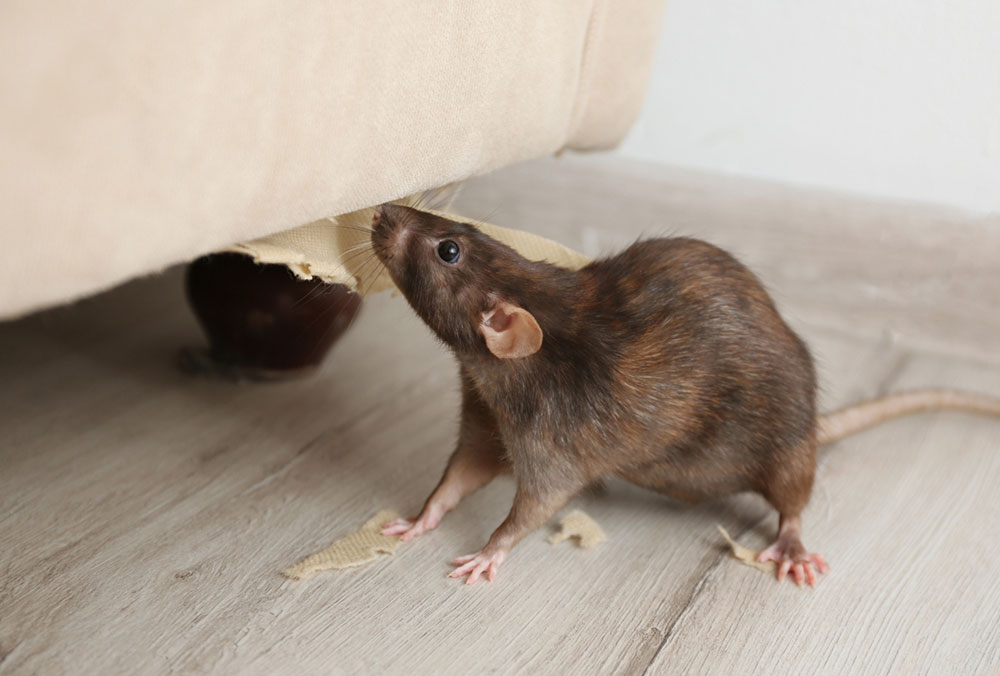
Small, grey or brownish, a prolific breeder that adapts easily to human environments.
Mice Do’s and Don’ts

- Seal cracks and gaps in foundations, windows, and doors.
- Store food (including pet food) in airtight containers.
- Inspect for droppings near pantries or under sinks.
- Keep rubbish bins sealed.
- Call professionals if you see multiple mice or droppings.

- Rely solely on cheap traps without identifying entry points.
- Allow clutter (boxes, old newspapers) to build up.
- Leave food scraps on countertops overnight.
- Wait until an infestation worsens—act early.
- Use amateur poisons that may harm children or pets.
FAQs about Mice Control
Look for droppings, gnaw marks, or hearing scratching noises at night.
Mice can carry diseases and cause significant property damage if left unchecked.
Traps can help, but if mice persist or you see multiple, call a professional.
Yes, we can tailor methods to your preferences, including humane trapping.
Female mice can produce up to 6–8 litters per year.
Yes, they’re excellent climbers and can access higher entry points.
Generally not, but we’ll advise you if any special precautions apply.
Cats may help reduce mice sightings, but professional methods ensure thorough control.
Seal entry points, maintain cleanliness, and schedule regular inspections.
Yes, we stand by our work; if mice persist, contact us for a follow-up.
Expert Help is Just a Call Away!
Protect your home from mice. Contact Hunter Valley Pest Control or call 0484 013 480 to discuss control options.